A printed piece does not always need to be a standard square or rectangle. Door hangers, pocket folders, packaging, hang tags, and other custom pieces often need a specific shape to work the way they were designed. Die cutting services makes that possible.
What Is Die Cutting?
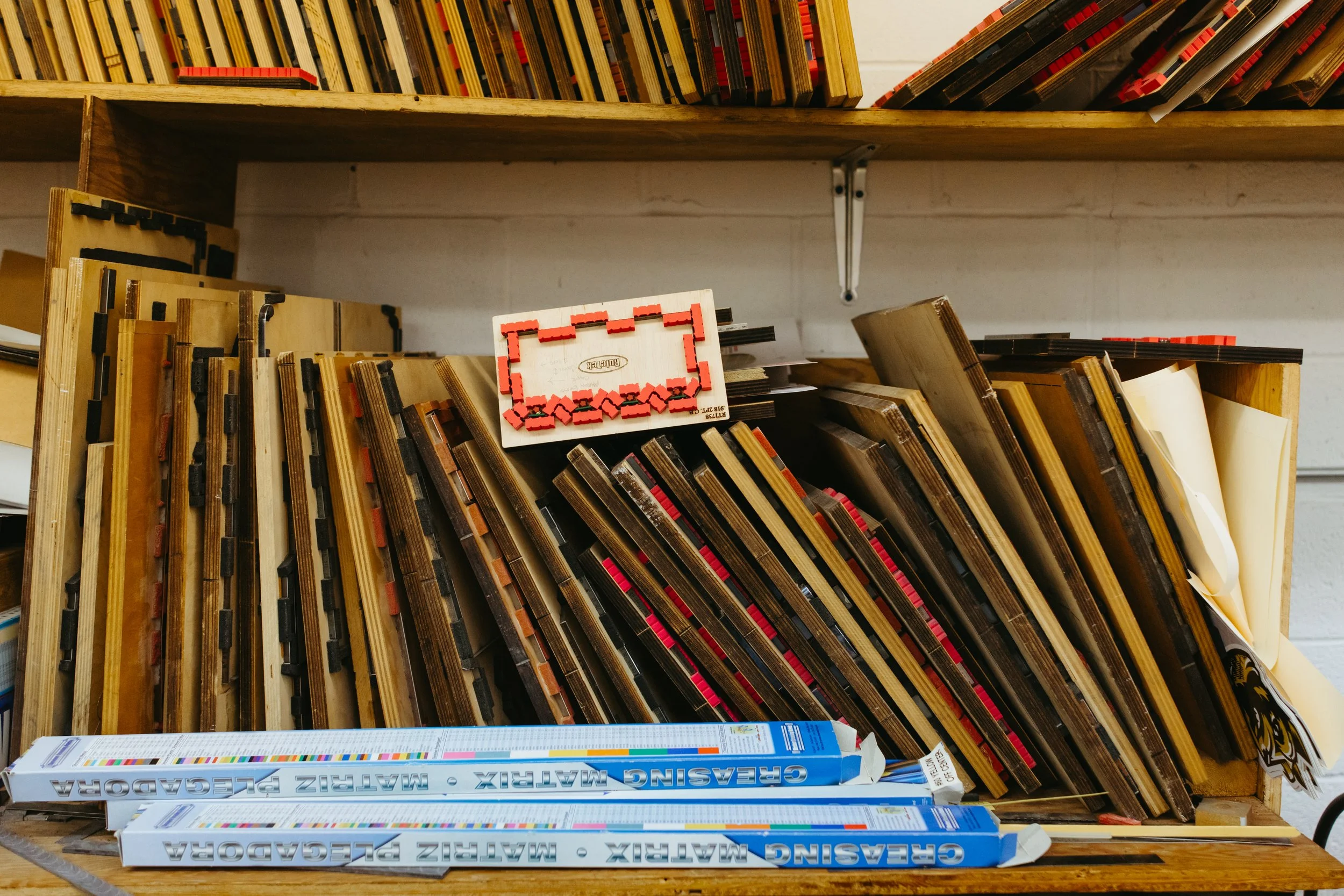
Die cutting is a finishing process used to cut printed material into a specific shape. A custom die is created with cutting edges arranged in the shape needed for the project. The printed material is then pressed against the die, cutting through the paper or other stock.
The result can be as simple as rounded or shaped edges or more involved cuts that create a functional piece.
Common examples include:
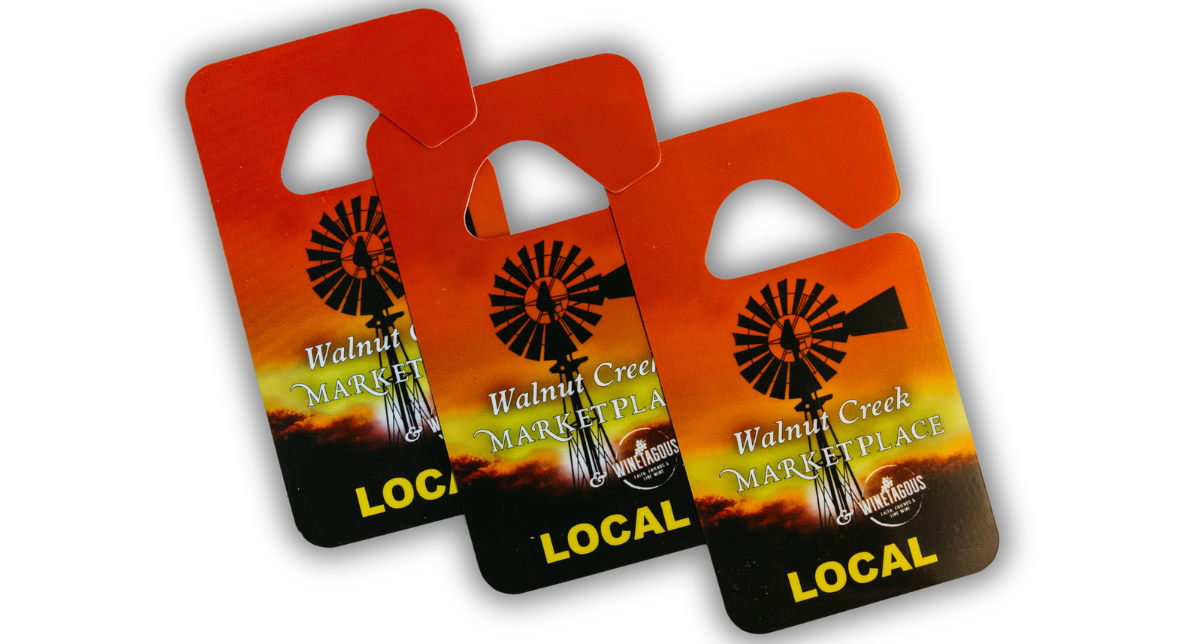
Door hangers
Pocket folders
Hang tags
Post card mailings or invitations
Custom packaging
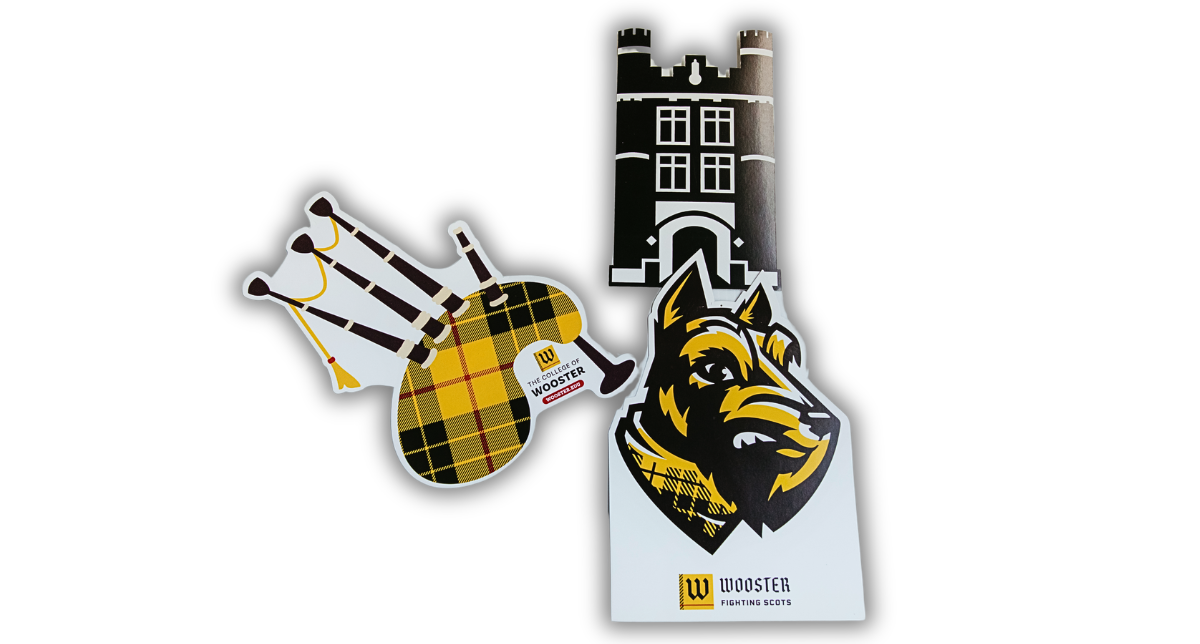
Stickers or decals
Shaped marketing and promotional pieces
The shape may be part of the design, but it can also serve a practical purpose. A door hanger needs an opening that fits around a handle. A pocket folder needs its components cut and prepared so they can be folded into the finished piece. Packaging may need to fit around a specific product.
Where Does Die Cutting Fit Into the Printing Process?
The piece is typically printed first and die cut as part of the finishing process.
How it is printed depends on the project. Quantity, color requirements, material, finished size, and other specifications help determine whether a job makes more sense for digital or offset production. Our guide to digital vs. offset printing explains how we make that decision.
Once printing is complete, the die and press are set up for the shape of the finished piece. The cut needs to correspond correctly with the printed artwork so that the finished piece looks and functions correctly.
Meet “Heidi,” Our 1950 Heidelberg Windmill
Some of our smaller die-cutting projects are produced on “Heidi,” our 1950 Original Heidelberg Windmill.
At more than 75 years old, this press is still used for small die cutting as well as letterpress printing, perforating, and numbering.
Her two arms rotate like a windmill, moving each sheet from the feed pile to the press and then to the delivery rack. For a project like a door hanger, the die cuts the required shape before our team removes the excess material and stacks the finished pieces.
For larger die-cutting projects, including pocket folders, we use our 1965 Original Heidelberg, also know as "Heidi."
In-House Die Cutting Services
Die cutting is often only one step in producing a finished piece. Depending on the project, printing may also be followed by scoring, perforating, folding, binding, coating, or other finishing work.
Having those capabilities in-house gives our team the ability to look at the complete project, not just the printing portion. If you are comparing printers for a project with custom finishing, our guide to questions to ask a professional printer can help you understand what to ask about equipment, finishing capabilities, timelines, and production.
Planning a Custom Die-Cut Project?
You do not need to know which press, die, or printing process your project requires before contacting us. Bring us the idea. Tell Heather Henthorne, Owner at Wooster Color Point, what you are creating, how it needs to function, the quantity you need, and when you need it. We can talk through the printing and finishing options and determine the best way to produce it.
Explore our commercial printing and finishing services or contact Heather to start a conversation
