Should I Use Digital or Offset Printing?
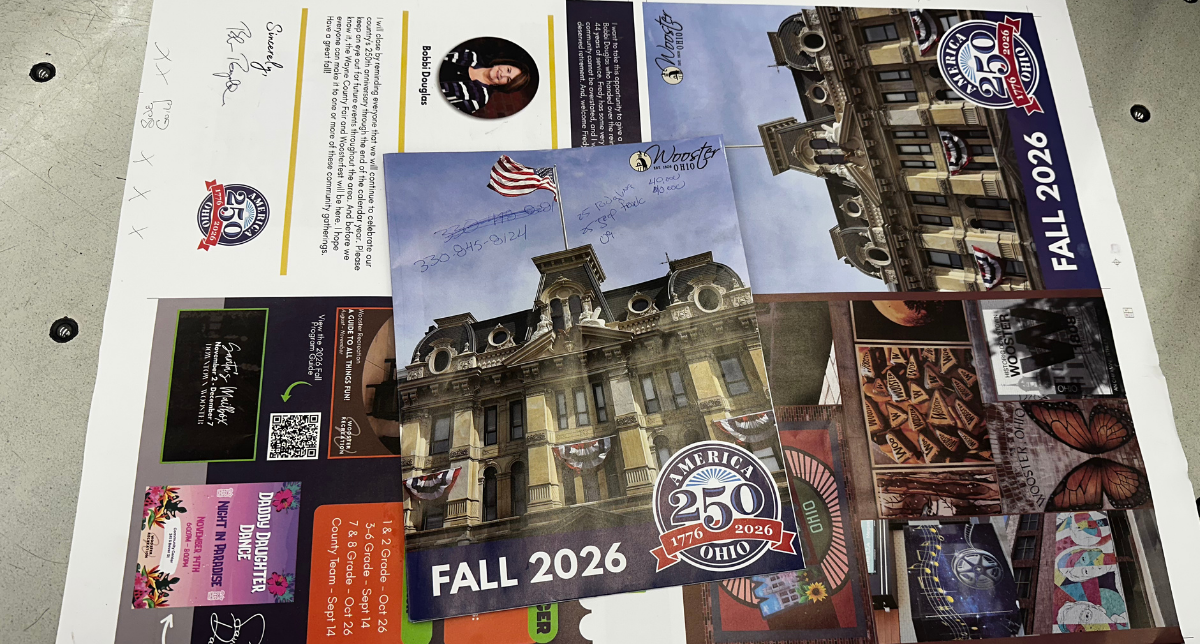
The printing method used for your project will depend on the goal of the finished piece, the quantity you need, and your turnaround time. Digital and offset printing can both deliver professional, high-quality results, but each offers different benefits.
At Wooster Color Point, we start by asking what the finished piece needs to do. Who will receive it? What impression should it make? How quickly is it needed? Does the color need to match an established brand exactly?
From there, we will recommend the printing method that best fits your project.
What Is Digital Printing?
With digital printing, the approved file is sent directly to the press, which reproduces the artwork without requiring custom printing plates. The direct-from-file process makes digital printing faster and more flexible.
When We Recommend Digital Printing
Digital printing makes sense when speed and flexibility are important. A business may need a few hundred flyers for an event happening soon, an organization may want a sample of a new brochure before ordering a larger quantity, or a customer may need a targeted mailing with different names, addresses, or messages on each piece.
Digital printing is best for:
Short-run printing
Projects with tight deadlines
Proofs and samples
Targeted mailers
Pieces with personalized information
Materials that may need to be updated regularly
Digital printing also allows the information on each piece to change. For example, a targeted mailing can include a different name, address, message, or offer for each recipient while still being produced as one print project. Targeted mailers can also be coordinated with QR codes, landing pages, and email follow-ups to create a stronger connection between print and digital marketing.
Because the press works directly from the file, there is more flexibility to correct or update the artwork before the piece is printed. The reduced setup does not mean reduced quality. Digital printing can produce sharp text, detailed images, and polished, professional pieces. Its biggest advantages are speed, flexibility, and efficiency for the right type of project.
What Is Offset Printing?
Offset printing uses custom metal plates and four inks to transfer an image onto paper using Cyan, Magenta, Yellow, and Black (CMYK). A separate metal plate is created for each color, and the colors build on one another as the sheet moves through the press, creating the completed image one layer at a time.
During printing, the image from each plate is transferred onto a rubber blanket and then pressed onto the paper. Because the ink is transferred, or “offset,” before reaching the sheet, the process is known as offset printing.
Before a job begins, we run calibration sheets to make sure the ink levels are balanced, and each color is properly aligned. This alignment, called registration, is what keeps the finished images and text looking crisp.
Our five-color press with extended delivery gives us additional flexibility for projects that need more than the standard four-color process. The fifth printing unit can be used to add a custom brand color or another specialty ink. We can also apply a protective aqueous coating to enhance the appearance of the piece and help protect the finished surface.
When We Recommend Offset Printing
Offset printing requires more setup than digital printing, but it gives us strong control over color and consistency. That makes it especially useful for larger quantities, brand-critical colors, and pieces where the finished appearance is a priority.
Offset printing is best for:
Higher-quantity print runs
Projects that require consistent color from the first piece to the last
Materials that need to match a specific brand color
Premium marketing pieces where appearance is a priority
Publications, brochures, and other pieces with larger print quantities
Projects that benefit from a custom ink color or protective aqueous coating
Why Offset Printing Requires Careful Proofing
Because custom plates are created for an offset project, the customer’s file must be finalized before production begins. If a phone number, date, price, or other detail changes after the plates have been created, new plates may be needed. That can add time and cost to the project.
Before approving an offset job, carefully review a print proofing checklist:
Names and contact information
Dates and event details
Pricing
Spelling
Image placement
Page order
Final quantities
Proofing matters for every print project, but it is especially important when plates and custom ink are involved.
Does Offset Printing Always Look Better?
Not necessarily. Both methods can produce excellent work. The quality of a finished piece depends on much more than the press it runs through.
The quality of the original artwork
Image resolution
File preparation
Paper stock
Coatings and finishes
We recommend offset when its specific benefits help us meet the goals of the job. A short-run brochure needed next week may be a strong digital project. A large publication that requires vibrant, consistent color throughout may be better suited to offset.
Offset vs Digital Printing Cost
Digital printing usually has fewer upfront production costs because plates do not need to be made. That often makes it more cost-effective for smaller quantities.
Offset printing requires more setup so that the initial cost may be higher. As the quantity increases, however, the cost per piece can become more efficient. There is no single quantity where every project should move from digital to offset. Finished size, paper, ink coverage, color requirements, coatings, folding, binding, and other production details can all affect the price.
We compare the options and explain the difference. That includes both the cost and any difference in the finished result.
Questions We Ask Before Choosing a Press
Customers do not need to know which printing method they want before contacting us. As a commercial printer, we recommend the press that will meet your project's needs and be cost-effective for your budget.
What Is the Goal of the Piece?
We want to know what the piece is supposed to accomplish. A handout for a one-day event has a different job than a capabilities brochure placed in front of a prospective customer. A targeted mailer has different production needs than a publication sent to thousands of readers.
Understanding the purpose helps us make better recommendations about the printing method, paper, color, and finishing.
How Quickly Is It Needed?
Digital printing generally offers a faster production timeline because plates and custom ink do not need to be prepared.
Offset printing takes more time to set up. That additional time should be considered when the project has a firm mailing, event, or delivery date.
How Many Pieces Are Needed?
Shorter runs are often a good fit for digital printing. Higher quantities may be more efficient on an offset press.
Quantity matters, but we look at it alongside the rest of the project rather than using it as the only deciding factor.
How Important Is Exact Color?
Some pieces need to look good and stay consistent with the brand. Others need to match a specific color exactly. Those are not always the same requirements. When brand color matching printing is important, custom ink on an offset press may be the better choice. This is especially true when color plays a large role in a company’s brand.
Talk With Wooster Color Point About Your Project
Print is still a craft to us. Part of that craft is knowing how to use the equipment well and when each process makes the most sense for your project. Tell us what you are creating, how many pieces you need, when you need them, and what the finished piece should accomplish. We will walk through the options and recommend the process that makes the most sense for the job. And before starting your next project, review these questions to ask a professional printer to better understand the printer's capabilities, process, and recommendations.
The best choice between digital and offset printing is the one that produces a finished piece that does its job and meets the customer’s expectations. Explore our commercial printing services to learn more about ways we can help you with your next project.
