What Is G7 Printing? Creating More Consistent Color Across Presses
What Is G7 Printing? Creating More Consistent Color Across Presses
Color consistency becomes more complex when a brand's printed materials are produced across different presses, processes, substrates, or production runs. The equipment may change, but the expectation for the finished piece does not.
G7 gives printers a shared methodology for managing those variables and creating a more consistent visual appearance across production environments. Because the methodology can be applied across different technologies and substrates, it provides a common approach for managing color rather than treating every press as a completely separate process.
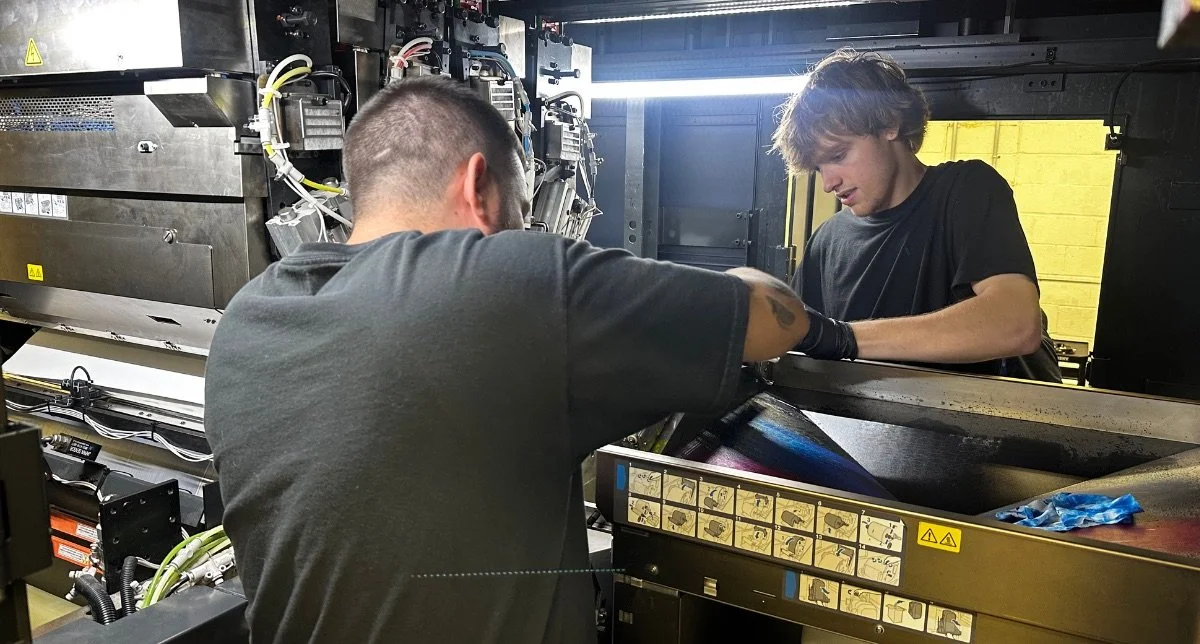
Our team at Wooster Color Point recently added a new digital inkjet press, working with a certified G7 professional during installation and calibration. We then brought our other printing equipment into the same color-managed workflow to create a more consistent G7-based approach across our presses.
What Does G7 Compliant Mean?
G7 is a print calibration methodology built around gray balance and tonality. A G7-compliant print condition means the printing system has been calibrated and measured against defined G7 targets for those characteristics.
In practice, the process involves printing measurable targets, comparing the press's tonal and gray balance response to the G7 reference, making adjustments to the printing system, and measuring again to verify the result. Because G7 is not tied to one specific printing technology, the methodology can be applied across digital, inkjet, offset, and other printing processes.
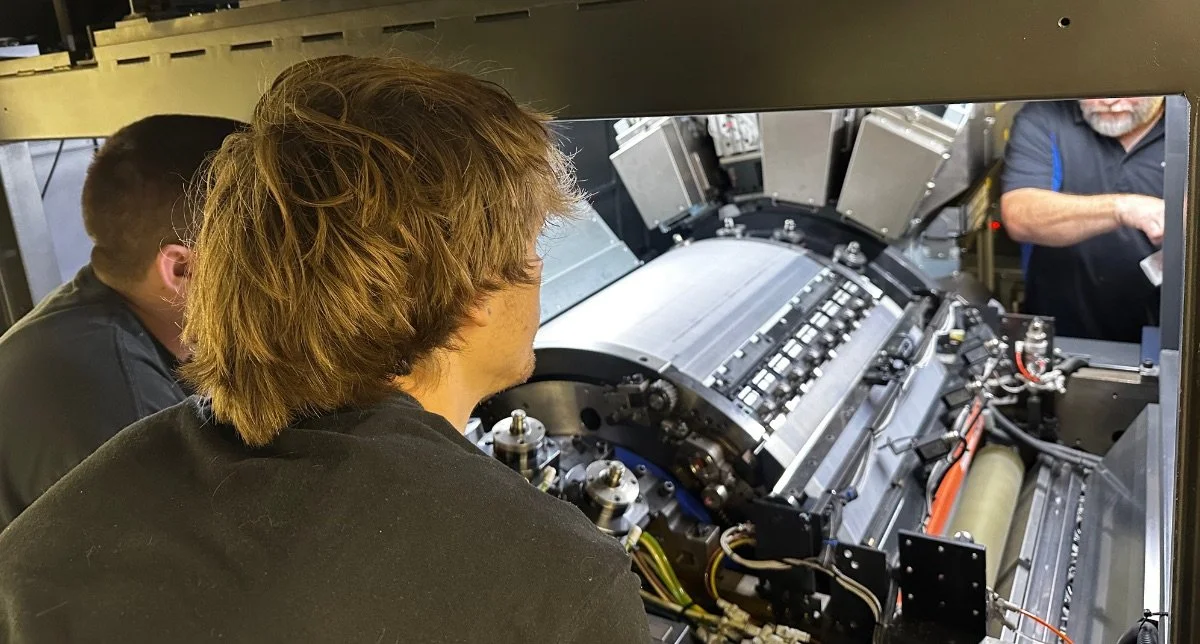
For Wooster Color Point, our new digital press provided an opportunity to look at color management across the shop. After establishing the G7 workflow on the new equipment, we incorporated our other presses into the same color profile management process. Paper, ink, gamut, and equipment still affect what can be reproduced, but G7 gives our team a common reference point for managing those differences and creating more predictable color from one press to another.
What Does G7 Mean for the Finished Print Project?
For the customer, most of the G7 process happens behind the scenes. The benefit shows up in the consistency of the finished work.
Wooster Color Point produces projects across four printers, including digital, offset, and inkjet equipment. A shared G7 color management printing process gives our team better control when:
One project includes pieces produced on different presses
Repeat work returns for another production run
Different substrates or printing processes are involved
Production needs to move between equipment
For a brand producing brochures, direct mail, publications, packaging, signage, or other coordinated materials, that control helps maintain a more consistent brand appearance even when pieces are produced on different equipment or substrates.
It can also mean fewer adjustments during production, better alignment between proof and press, and less material used while bringing a job into the intended color range. These are among the production benefits associated with a calibrated G7 workflow.
Maintaining G7 Is Part of the Process
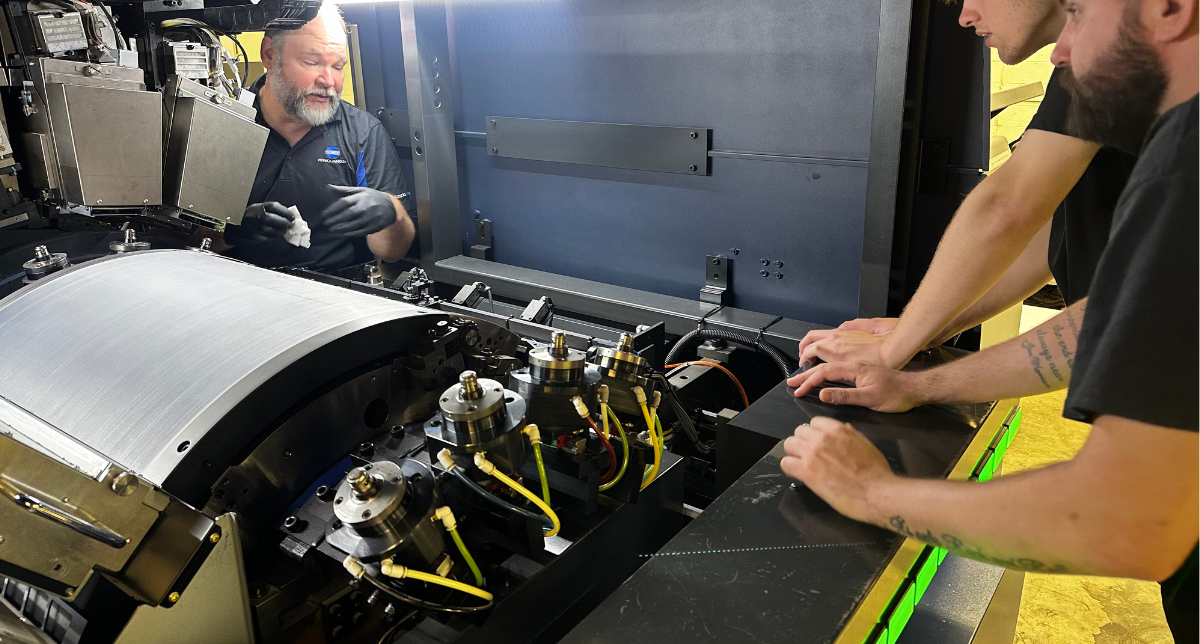
Equipment conditions change over time, so maintaining a G7-compliant print condition requires continued measurement and process control. That is why training was an important part of bringing our new digital inkjet press online. Our team learned how to operate and maintain the equipment as part of the larger color-managed production environment at Wooster Color Point. This allows us to have a more coordinated approach to color management across our equipment, helping our team provide the consistency our customers and trade print partners expect from one printed piece to the next.
